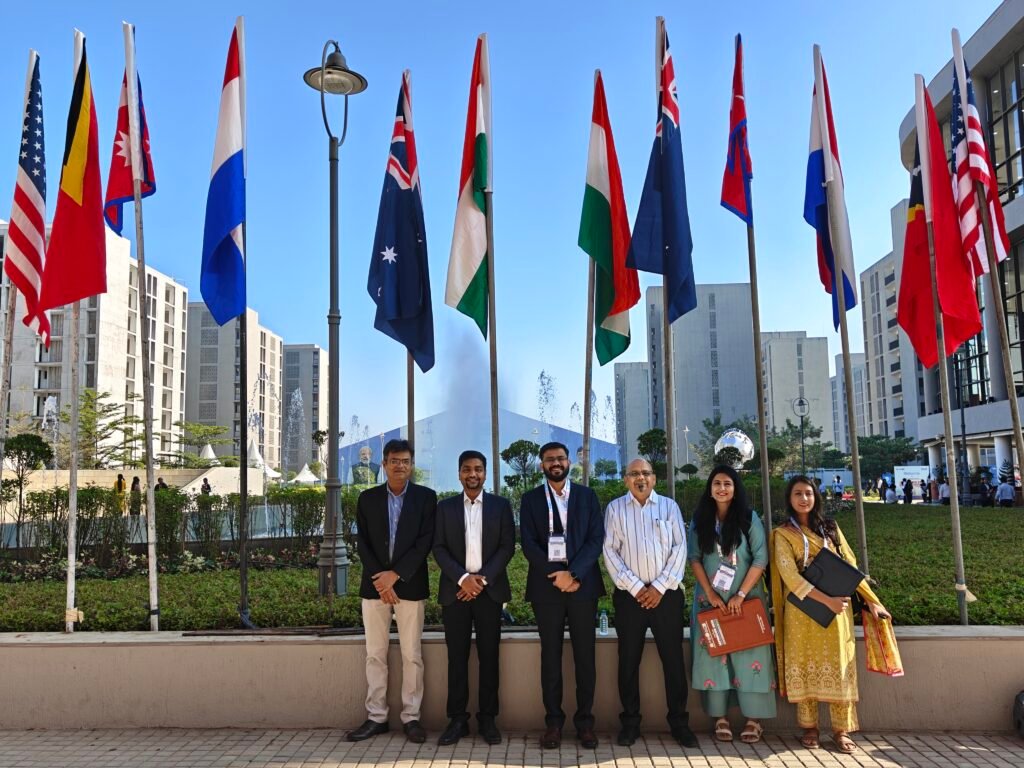
Every year, approximately 2,000–3,000 public health professionals gather at one of India’s largest health conferences—IAPSMCON 2026. It is not just a conference; it is a space where ideas turn into action and discussions often shape the future of public health in the country. This year, the One Health Network of India (OHNI) used this powerful platform to showcase the success of its Summer One Health School Program (SOHSP).
The SOHSP 2025 program began as a residential training at the Indian Institute of Public Health Gandhinagar, where 51 students from diverse fields such as public health, veterinary science, and community medicine were trained. These students later became One Health Ambassadors and went on to train others in their institutions. In just a few months, they reached over 2,500 students, showing how a small initiative can grow into a nationwide impact.
However, OHNI understood one important thing—doing good work is not enough. It must be shared at the right place, with the right audience.
That is why IAPSMCON 2026 was chosen. This conference brings together doctors, researchers, professors, and government-linked experts who are directly involved in designing health programs and advising policies. It creates an opportunity to present real work in front of people who can scale it further.
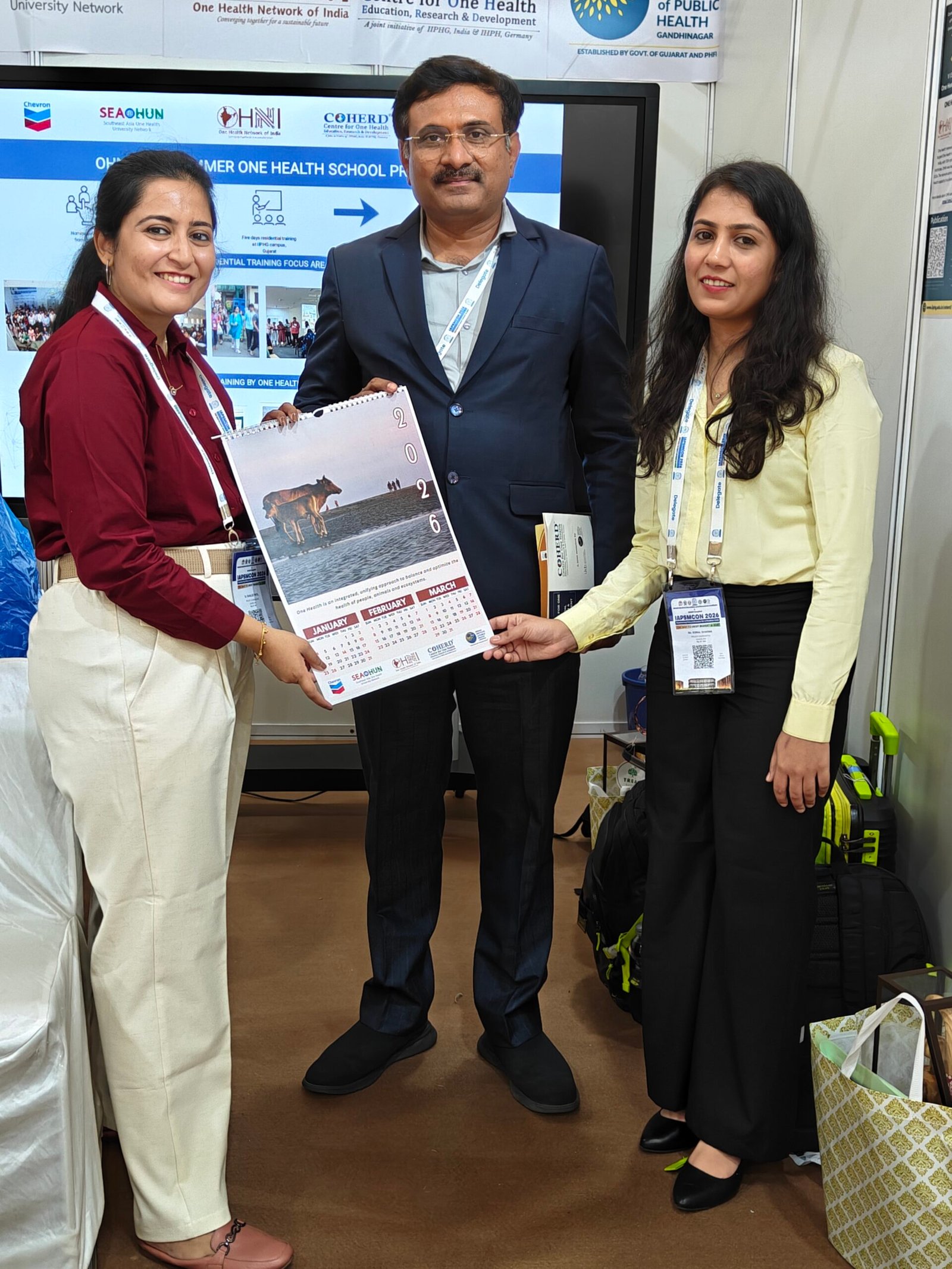
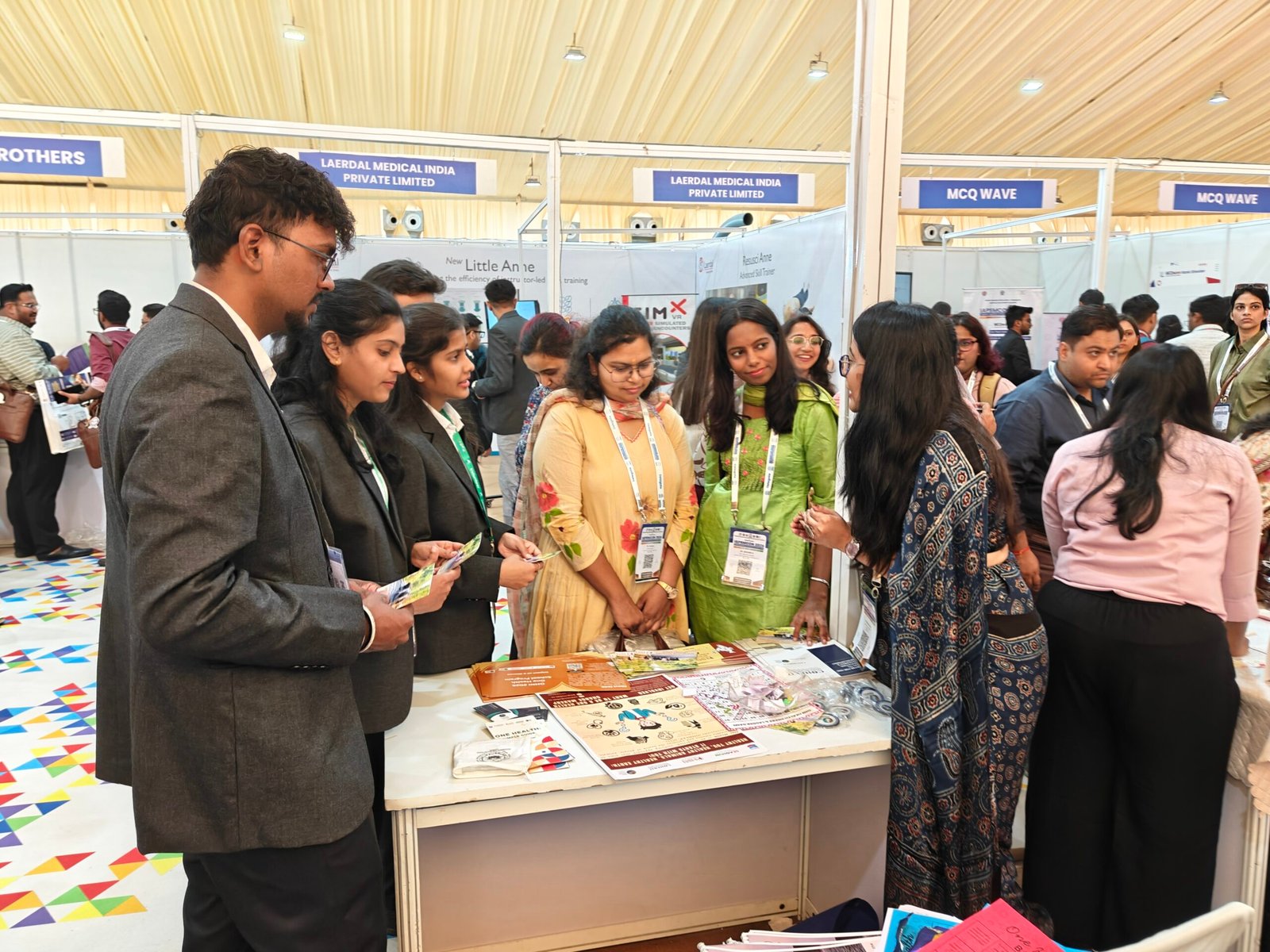
OHNI did not limit itself to just presenting results. It actively engaged with participants through multiple activities during the conference. An exhibition stall was set up, where attendees could learn about the program, its structure, and its impact. The stall attracted strong interest and even included interactive elements like a One Health-themed game, making the learning experience more engaging and memorable.
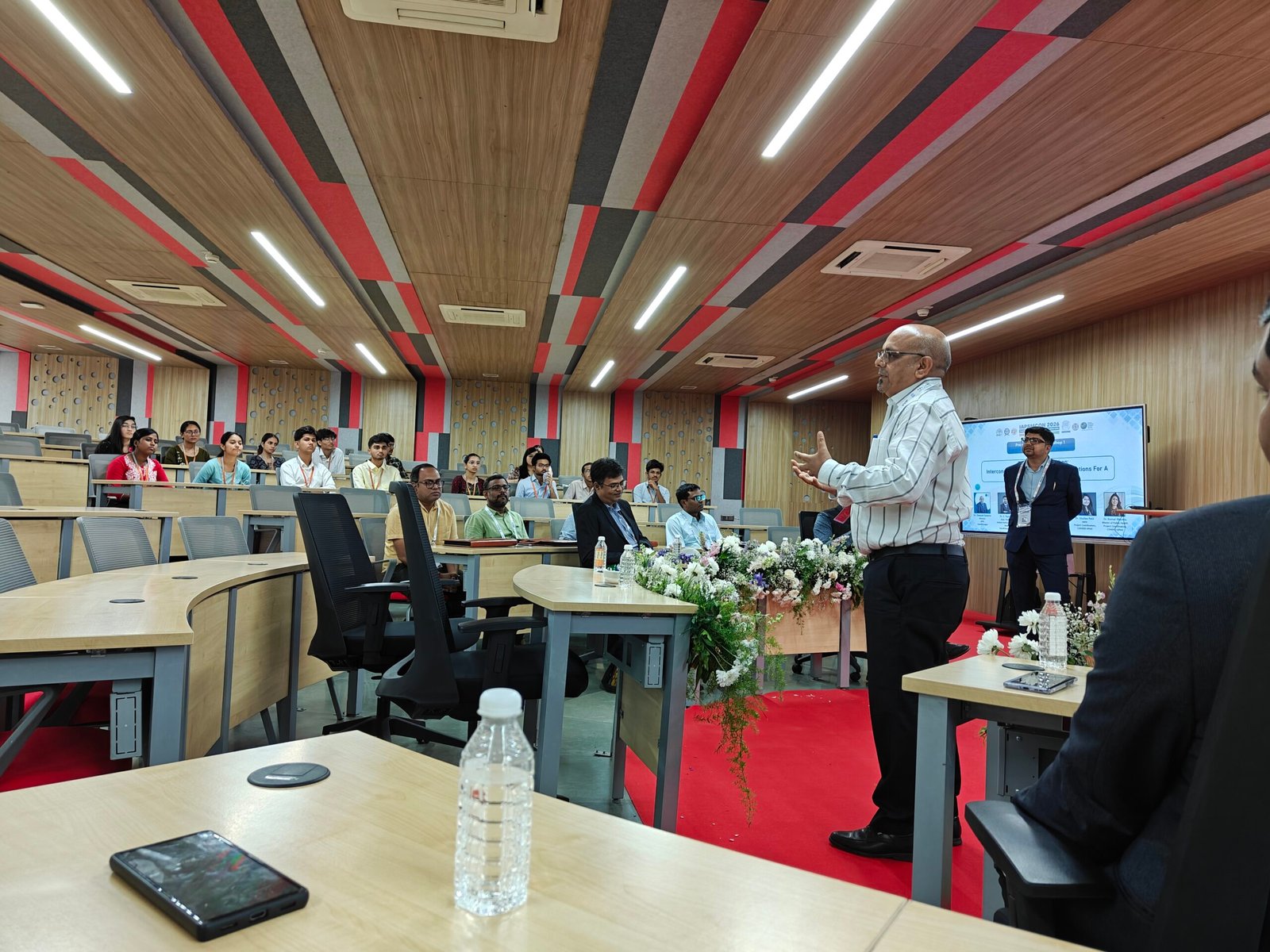
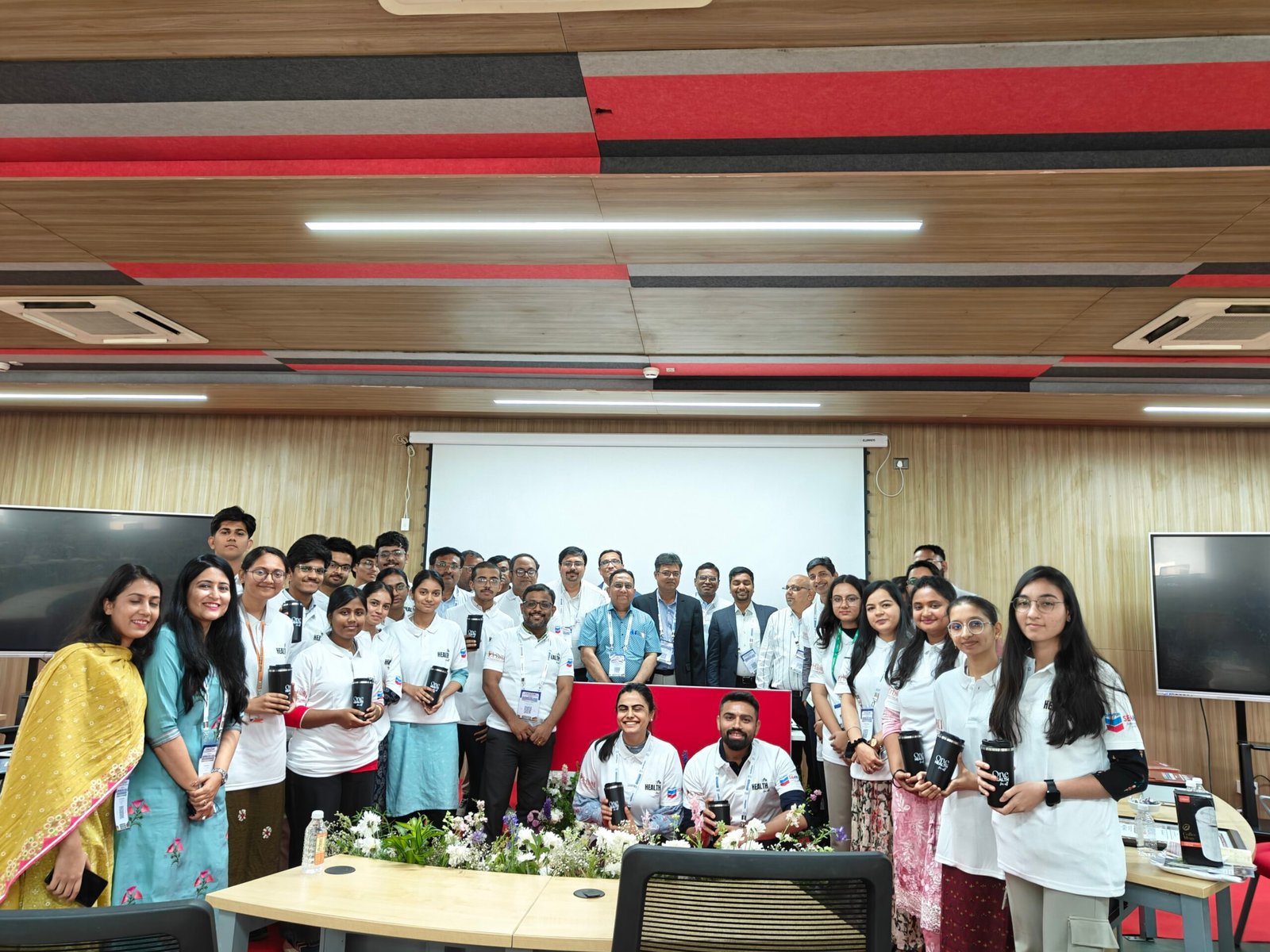
One of the key highlights was a preconference workshop titled “Interconnected Futures: One Health Solutions for a Changing World.” This session brought together 33 participants and introduced them to practical aspects of the One Health approach. Experts shared real-world experiences on topics like emerging diseases, outbreak response, and integrated disease surveillance. The workshop created space for discussion and helped participants understand how One Health can be applied in everyday public health practice.
In addition, a plenary session on “One Health – One World – One Future: Towards Developed India@2047 for Healthier India” further strengthened the message. This session gathered experts and professionals to discuss how collaboration across human, animal, and environmental sectors is essential for improving disease prevention and preparedness. It highlighted the importance of strengthening systems not just at the field level, but also at institutional and policy levels.
All these efforts were designed with clear goals. First, OHNI aimed to build credibility by presenting its work in a scientific and national forum. Second, it wanted to expand its reach by connecting with institutions and professionals who could adopt similar models. Third, and most importantly, it aimed to influence policy discussions.
This is where the Ministry of Health and Family Welfare becomes important. Many experts attending IAPSMCON are part of advisory groups or technical committees linked to the ministry. By presenting a successful and scalable model like SOHSP, OHNI ensured that its work becomes part of larger conversations around disease prevention, surveillance, and One Health integration.
In simple terms, OHNI followed a clear approach—do meaningful work, present it at the right platform, and connect it to bigger goals. By bringing SOHSP to IAPSMCON 2026, it successfully moved from training students to influencing national-level thinking.
This is how local action can create national impact.